Custom storm doors East Metro Atlanta & Surrounding Counties homeowners install protect front entries from sudden spring storms and sticky summer humidity. The right door blocks wind-driven rain, adds a second layer of security, and still looks like it belongs on your house. Here's what separates a true custom fit from an off-the-shelf door, and how to pick a style built for Georgia weather.
What Is a Storm Door?
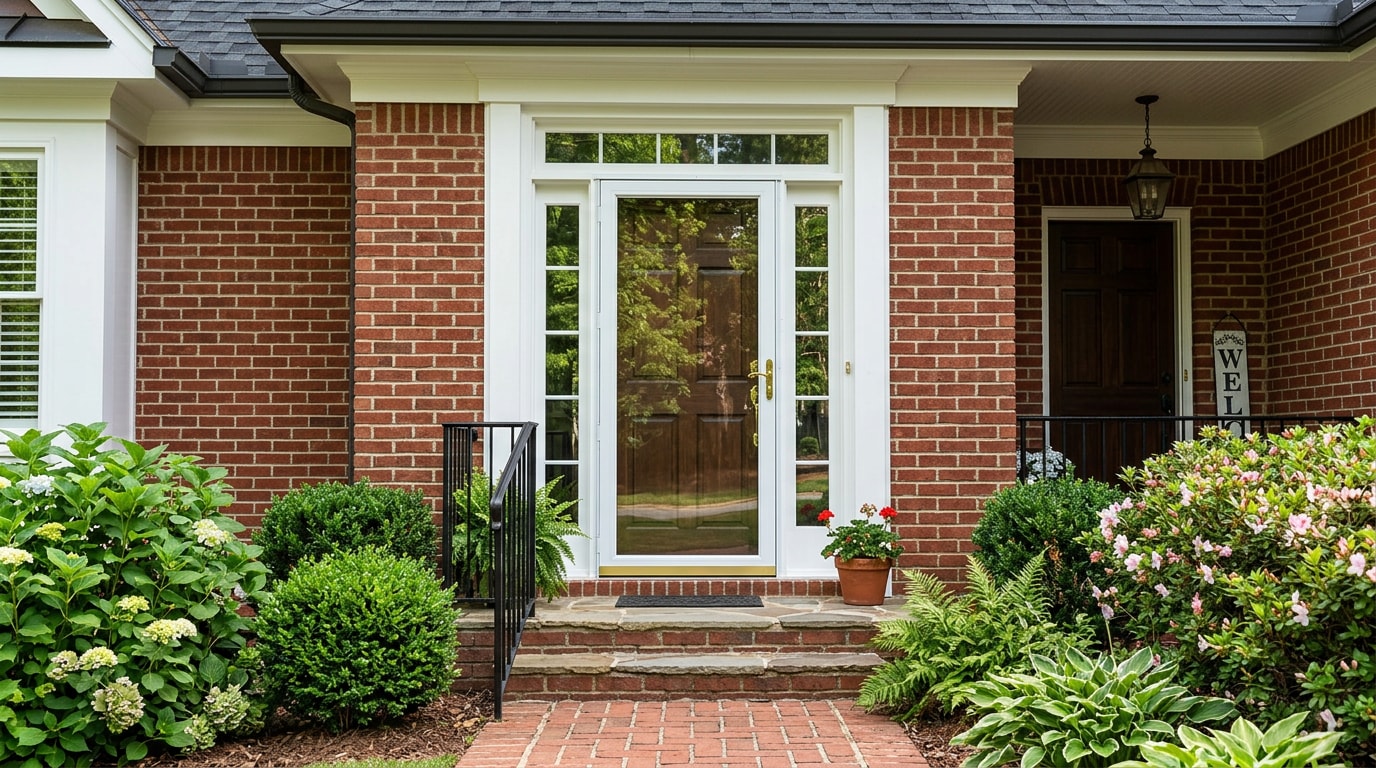
A storm door is a secondary exterior door installed in front of your main entry door. It shields that door from rain, wind, and sun while adding an extra layer of security to your home.
In East Metro Atlanta, where spring storms roll through fast and summers stay humid, that extra layer does real work. It protects wood and fiberglass entry doors from swelling, fading, and warping year-round. Check East Metro Atlanta & Surrounding Counties coverage before you start comparing styles.
Benefits of Custom Storm Doors
Storm door benefits break down into three categories:
- Protection – Reinforced security mesh and tempered or laminated glass add durability and resist forced entry.
- Efficiency – Tight seals and dual weatherstripping resist drafts and ease the load on your HVAC system.
- Customization – Color, finish, hardware, and glass style can be matched to your home's architecture.
A retractable-screen storm door on a west-facing East Metro porch is a good example of customization in action. It blocks harsh afternoon sun in July while still allowing airflow on cooler evenings.
Custom Storm Door Configurations for East Metro Homes
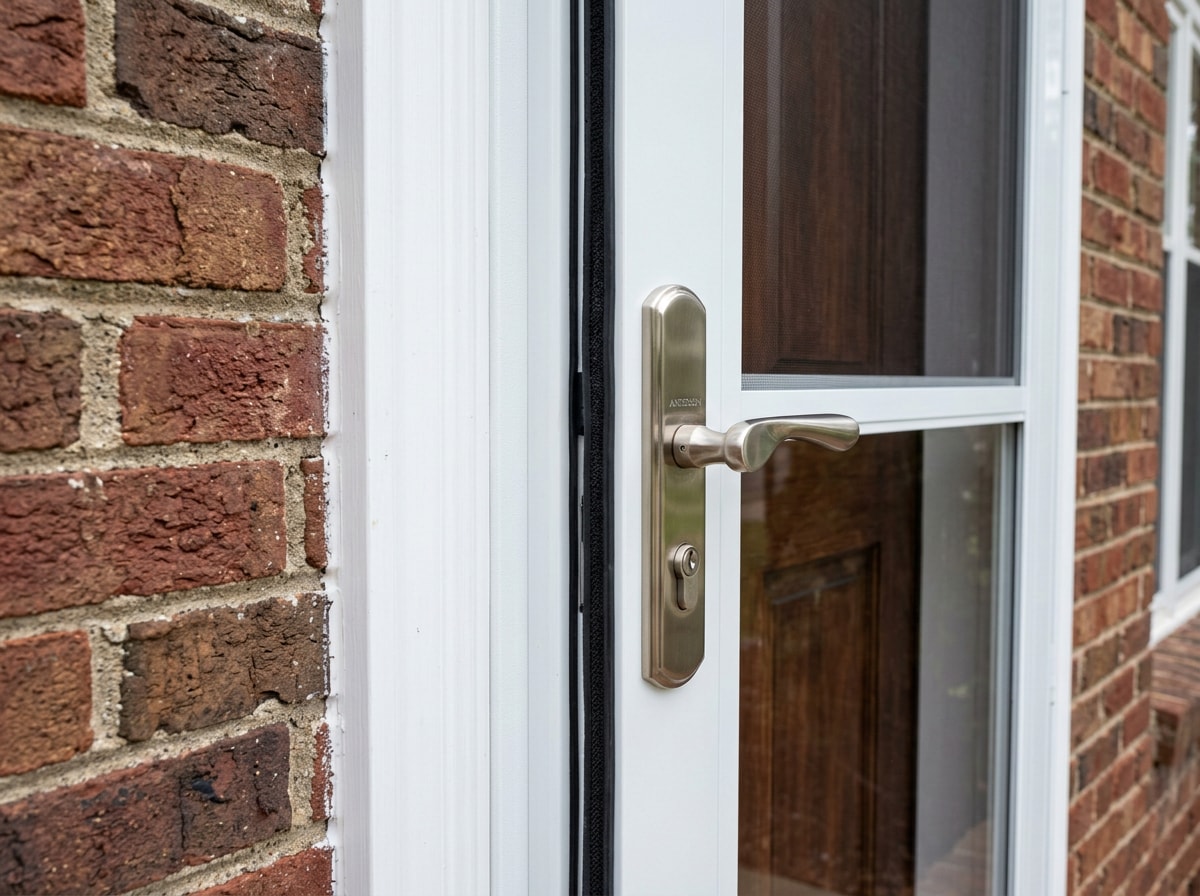
Custom storm doors are built to your exact door opening instead of a generic stock size. That matters most in homes where the frame has shifted slightly over decades.
A true custom door accounts for those irregularities. It seals tight against Georgia's humidity and resists the warping, rust, and fading that standard doors often can't handle.
The difference shows up clearly across East Metro's housing stock. Newer subdivisions in Gwinnett County often have standard-sized openings, so an off-the-shelf storm door fits reasonably well.
Older homes in Conyers, Covington, and Monroe frequently have non-standard openings. Even a quarter-inch gap undermines the weather-tight seal on these doors.
Custom doors take longer to fabricate and typically cost more. For homes with irregular openings, it's the only option that performs correctly. A site assessment confirms exact measurements before you commit to a style or budget.
Full View Storm Doors
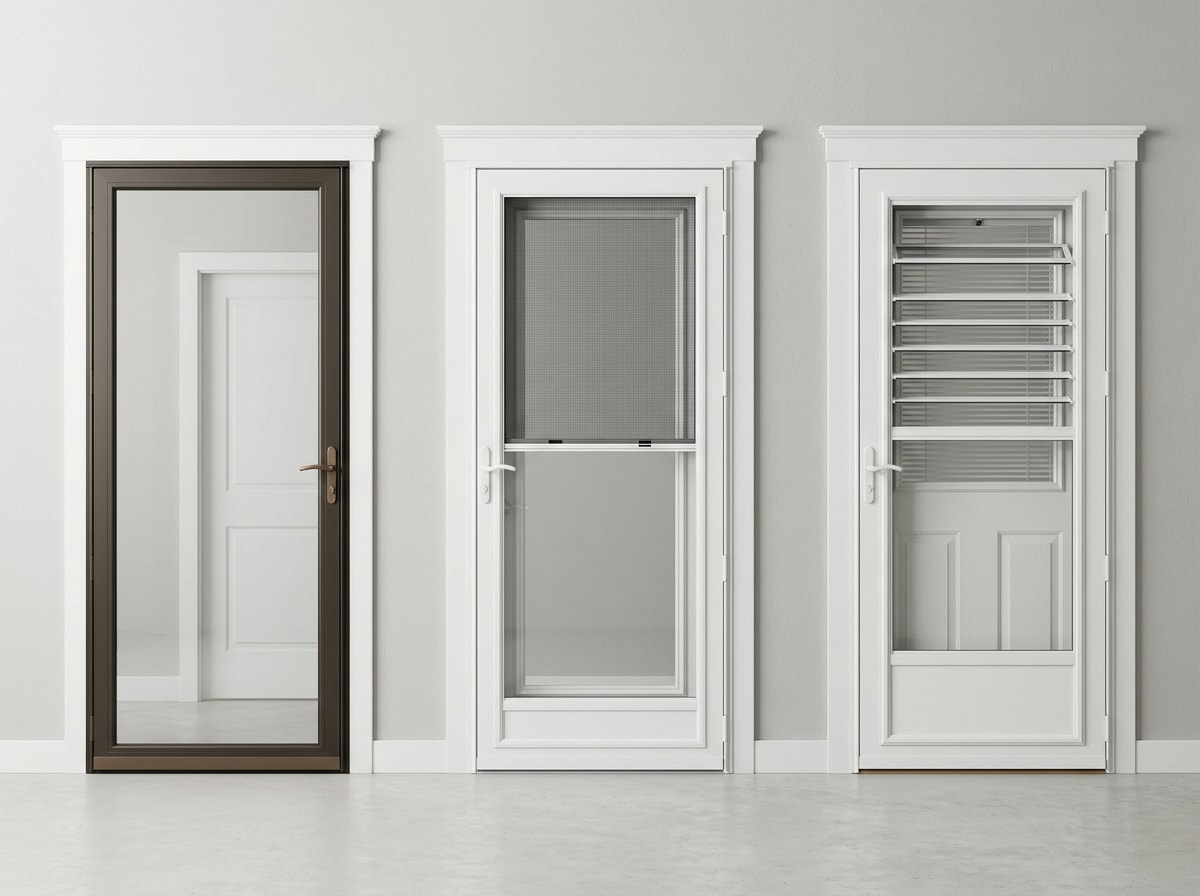
A full view storm door pairs a large glass panel with custom sizing. It invites natural light into the entryway while still offering security and seasonal ventilation.
Retractable Screen Storm Doors
A retractable screen storm door lets you switch between full-view glass and an open screen in seconds. Built from durable aluminum, these doors handle East Metro's swing from muggy summers to mild winters without losing function.
Ventilating Storm Doors
Ventilating storm doors feature a sturdy wood core built for high-traffic entries. Adjustable vents allow quick airflow, and most lines offer several color finishes to match your exterior.
| Storm Door Style | Best For | Key Feature |
|---|---|---|
| Full View | Curb appeal, natural light | Large glass panel, custom sizing |
| Retractable Screen | Homes that want both views and airflow | Switches glass to screen in seconds |
| Ventilating | High-traffic entries, wood-look exteriors | Adjustable vents, wood core |
How East Metro Atlanta's Weather Changes the Decision
This is the part most storm door guides skip: how often severe weather actually hits this region, and what that means for material choice.
According to the National Weather Service office covering North and Central Georgia, damaging winds occur, on average, 19 days per year, with the peak month being July . Large hail pelts the area on average 7 days per year, with April the month of peak occurrence .
That pattern matters for door selection. A home near Rockdale County or Walton County that catches direct wind exposure benefits from a reinforced frame and impact-rated glazing, not just a decorative screen panel. If your porch faces open ground with no tree buffer, mention that during your consultation so the installer can recommend the right glass and hardware.
Storm Door Energy Efficiency
A correctly fitted storm door acts as an added barrier against drafts and heat transfer. That eases the load on your HVAC system and can help lower monthly utility bills.
The U.S. Department of Energy includes storm doors in its standard list of building envelope weatherization measures, alongside air sealing and insulation upgrades: "Install storm windows/doors."
You'll see big energy-savings percentages quoted across the industry, and some of those numbers originated from storm window studies rather than storm door-specific testing. Treat any flat percentage with some skepticism. The real-world benefit depends almost entirely on an accurate custom fit. A poorly measured standard-size door creates gaps that cancel out most of the efficiency gain, no matter what the glass is rated for.
Professional Installation: Why Precision Matters
Precision matters as much as the door itself. Experienced installers measure, fit, and seal every unit so it performs reliably through hot, humid summers and the occasional ice event.
In years of handling custom exterior upgrades across Rockdale, Gwinnett, and Walton counties, we've measured entry openings on pre-1990 homes that were out of square by a half-inch or more. That's the kind of gap a stock door can't close, which is exactly why a proper site assessment comes before any order gets placed.
A storm door also protects a newer front door investment from years of direct weather exposure. If you're planning a broader entry or outdoor living upgrade, an outdoor structure consultation can fold the storm door into that same project and avoid a second scheduling trip.
Get a free estimate before you lock in a style, so pricing and lead time are confirmed up front.
Real Results Across East Metro Atlanta
Accurate measuring and clean installation are the two things that separate a good storm door project from a frustrating one. Gaps at the frame, mismatched trim color, and doors that don't latch flush are the most common complaints homeowners report after a rushed install.
Browse completed work across the region on our projects page to see how fit and finish come together on real East Metro homes. For a related read on storm protection for outdoor living spaces, see our guide on storm windows for screen rooms and sunrooms in Grayson.
FAQ
Do I need a storm door?
Storm doors are a smart investment in areas prone to severe weather, and East Metro Atlanta sees frequent spring and summer thunderstorms. Damaging winds hit the region roughly 19 days a year, peaking in July , so a quality storm door needs to withstand more than light rain.
Are storm doors energy-efficient?
Yes, but the effect depends on fit. Storm doors with quality weatherstripping reduce heat and cooling loss, and the Department of Energy lists installing storm doors among standard building-envelope weatherization measures . A poorly fitted standard-size door undercuts most of that benefit.
What's the difference between a storm door and a screen door?
A screen door is a mesh-only panel built for ventilation. A storm door combines reinforced or tempered glass with an optional retractable screen for year-round protection. Storm doors add security and weather resistance; screen doors offer airflow alone.
How much does a custom storm door cost?
Pricing varies by size, material, and glass options. Custom sizing for non-standard openings typically costs more than a standard off-the-shelf door because of fabrication time and precise measuring. Confirm current pricing directly with your installer since costs shift with materials and demand.
What's the standard storm door size, and when do I need custom?
Most stock storm doors are built for a 36-inch by 80-inch opening. If your home's frame has settled or was never a standard size to begin with, which is common in older East Metro homes, a custom build is the only way to get a tight seal.
Is glass in a storm door regulated for safety?
Yes. Glazing used in storm doors falls under federal safety glazing rules. A storm door, defined as a movable assembly used with an exterior door, must use glazing tested to ANSI Z97.1 safety performance standards under the CPSC's architectural glazing rule.
About the Author
This guide was prepared by the project team at Georgia's Screen Rooms, an outdoor living and exterior upgrade contractor serving Gwinnett, Rockdale, Walton, Newton, Barrow, and Henry counties. Our crews measure and install custom exterior work on homes across East Metro Atlanta, including entries where standard-size products don't fit. Questions about your specific opening or home? Contact our team or start on the Georgia's Screen Rooms homepage to see our full range of services.