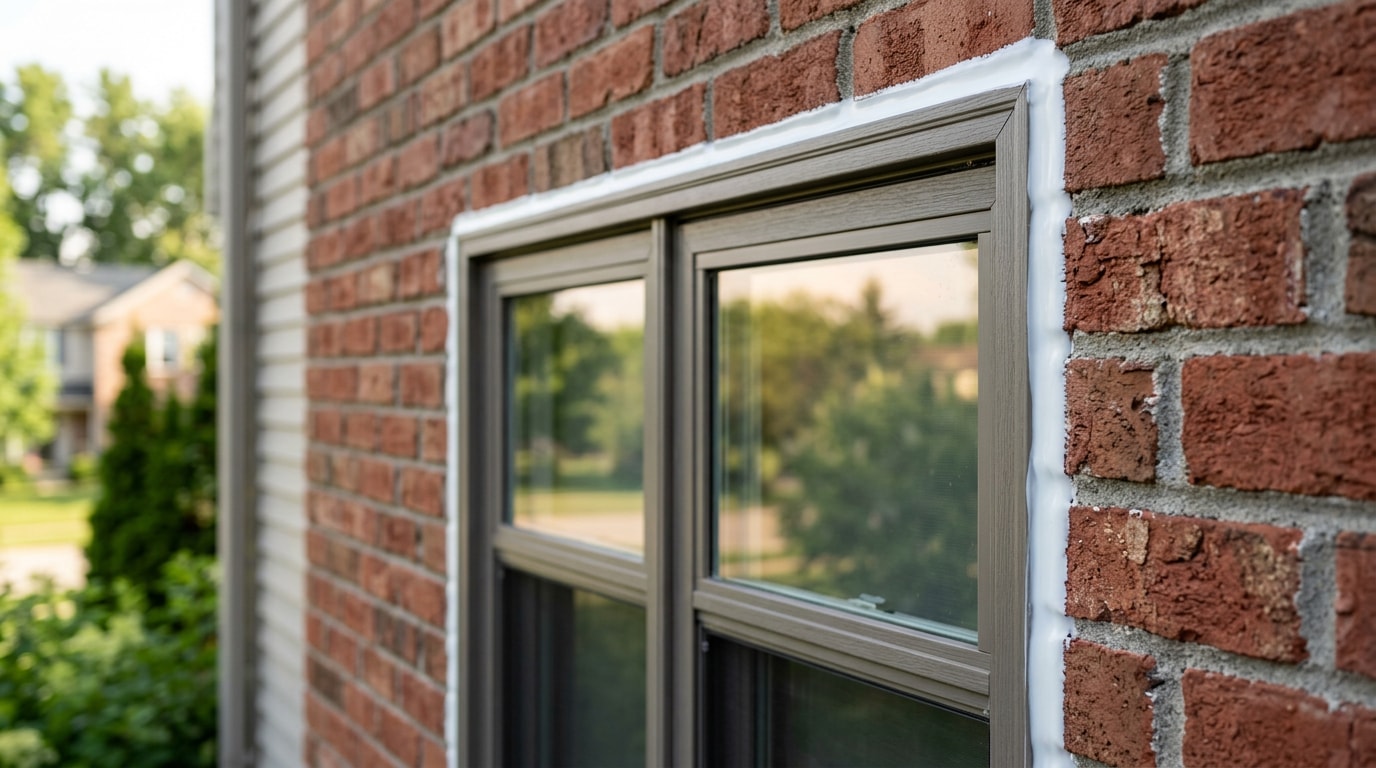
Knowing how to reseal windows in Bold Springs, GA starts with figuring out which seal actually failed: the exterior caulk, the sash weatherstripping, or the glass unit itself. Walton County's thick summer humidity and strong UV exposure break these seals down faster than they would in a milder climate, so a reseal job that lasts five years up north might only hold three here. This guide walks through the full DIY process, the tools and costs involved, and what Georgia's heat specifically does to window seals that most generic guides skip.
Signs Your Windows Need Resealing
Watch for these warning signs on every window:
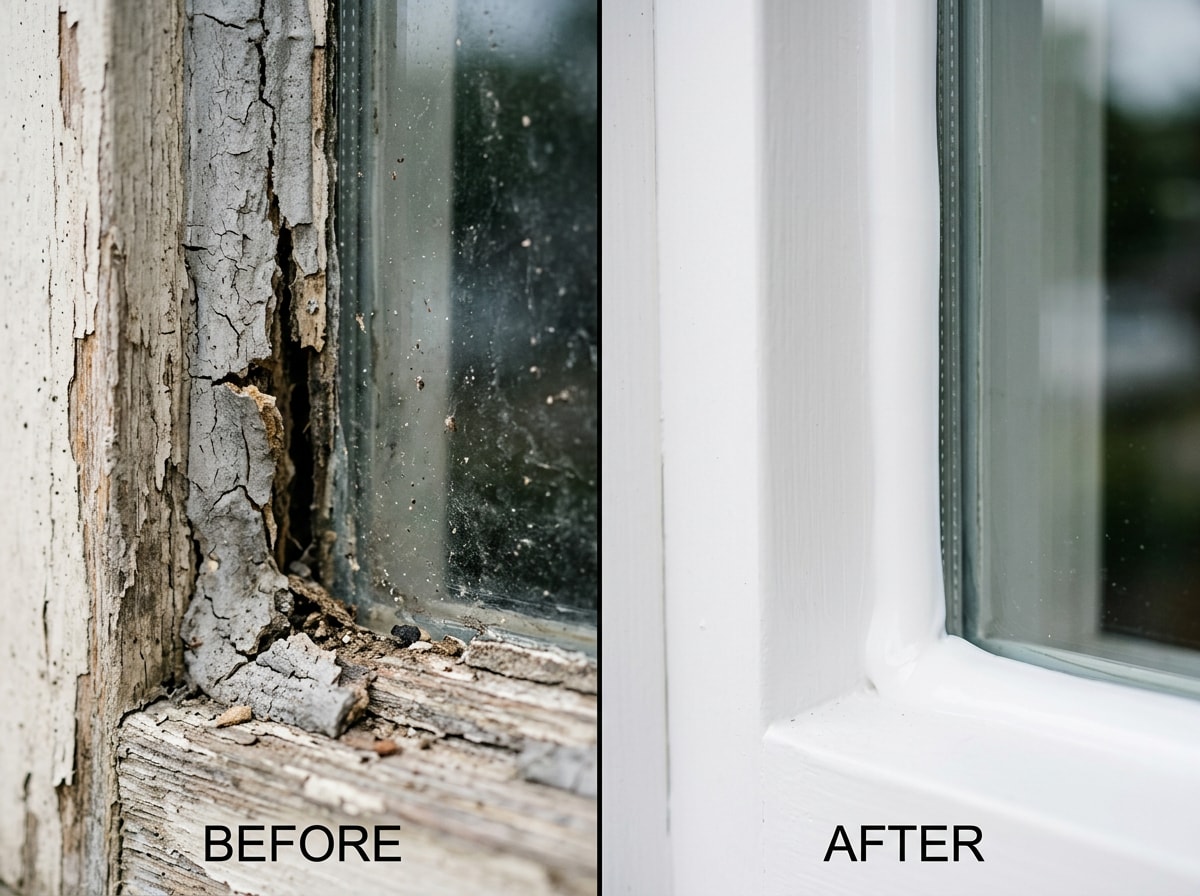
- Cracked, peeling, or brittle caulk that's pulled away from the frame
- Noticeable drafts around the sash on a windy day
- Foggy or hazy glass, especially between the panes
- Water stains or soft wood on the sill
- A heating or cooling bill that keeps climbing without an obvious reason
Walk your frames every spring and fall. Caulk that feels brittle or has visible gaps is no longer doing its job. Condensation forming between the panes of glass, not just on the surface, points to a failed insulated glass unit rather than a caulking problem.
I'm Marcus Webb, lead installer at Georgia Screen Rooms, and after more than a decade sealing frames on screen rooms, patio enclosures, and the windows attached to them across Walton County, one pattern shows up constantly: south- and west-facing windows fail years before north-facing ones on the same house, simply because they take the brunt of the afternoon sun.
Rising heating or cooling bills without an obvious cause are another red flag. Sealing air leaks around your home and adding insulation can provide up to a 10% savings on your annual energy bills, and simple fixes include caulking around windows according to ENERGY STAR. Humidity also feeds mold growth at the sill once a seal starts failing, so a musty smell near a window is worth investigating too.
Diagnose the Window Seal Problem Before You Start
Not every window problem has the same fix. Windows typically rely on three separate seals: exterior frame caulk, sash weatherstripping, and the internal seal inside a double-pane glass unit. Figuring out which one has failed determines whether you need a caulk gun, new weatherstripping, or a glass replacement.
A drafty sash usually means worn weatherstripping, not bad caulk. Fog or haze trapped between the panes means the insulated glass unit's internal seal has failed, and no amount of exterior caulk will fix that. Match the diagnosis to the right repair before you buy materials.
Benefits of Resealing Windows
A properly sealed window does more than stop drafts. It lowers heating and cooling costs, improves comfort by eliminating cold or hot spots near the glass, and keeps moisture from seeping into the wall cavity where it can cause mold or wood rot.
Resealing also buys time. Full window replacement is a significant investment, and a solid reseal job can extend the usable life of your existing windows by several years. For older wood-frame homes scattered throughout Walton County, that difference can be substantial.
Tools and Materials Needed
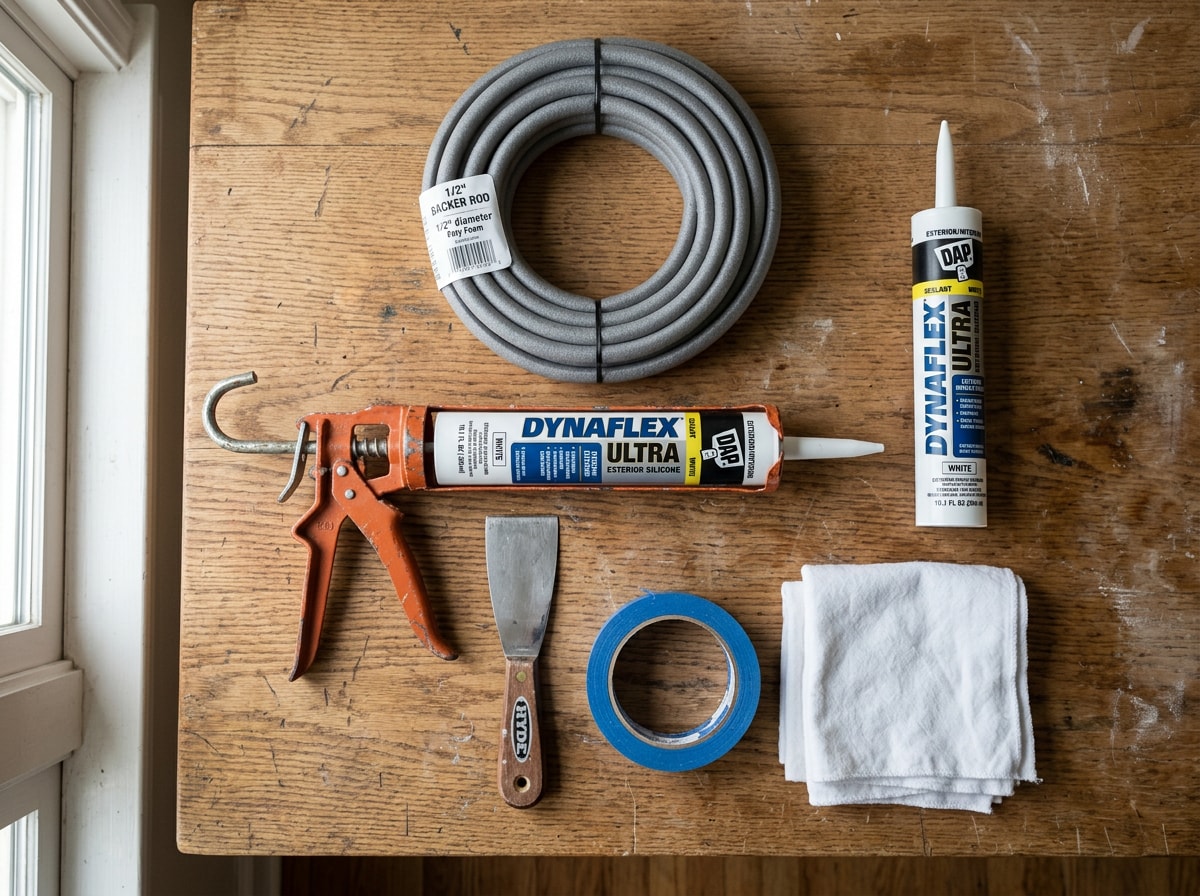
Gather everything before you start so you're not mid-project with wet caulk and a dry tube:
- Caulk gun
- Exterior-grade sealant (see sealant guide below)
- Putty knife or utility knife for removing old caulk
- Painter's tape
- Backer rod for gaps wider than about 1/4 inch
- Rubbing alcohol and clean rags
- A 5-in-1 tool or dedicated caulk-smoothing tool
- A shop vacuum for cleanup
Choosing the Right Sealant
Not all caulk performs the same way outdoors, and the wrong choice is one of the most common reasons a reseal job fails early. Silicone holds up best to Georgia's heat and humidity but can't be painted; siliconized latex and polyurethane each offer a different balance of flexibility, paintability, and lifespan.
| Sealant Type | Best Use | Paintable | Typical Lifespan | Relative Cost |
|---|---|---|---|---|
| Pure Silicone | Exterior frames, high-moisture areas | No | 15-20 years | $$ |
| Siliconized Latex | Interior trim, painted surfaces | Yes | 5-10 years | $ |
| Acrylic Latex | Small interior gaps, quick touch-ups | Yes | 3-5 years | $ |
| Polyurethane | Exterior joints with movement | Yes (limited) | 15-20 years | $$$ |
Quality exterior sealants are tested against industry benchmarks like ASTM C920, the standard spec for elastomeric joint sealants, which classifies sealants by type, grade, class and use to rate how much joint movement and weathering a product can actually handle. Checking a product's classification against this standard is a better predictor of real-world lifespan than the marketing copy on the tube.
How to Reseal Windows (Step-by-Step Guide)
Once you've diagnosed the problem and gathered materials, exterior caulking follows the same reliable sequence regardless of window brand. If the scope looks bigger than a weekend project, get a free estimate and our team will take it from there.
Step 1: Remove Old Caulk
Score along both edges of the old caulk bead with a utility knife, then pull it free with a putty knife. For stubborn sections, a caulk softener product loosens the bond. Caulking directly over old caulk almost always fails within a season, so this step can't be skipped.
Step 2: Clean the Surface Thoroughly
Wipe the bare joint with rubbing alcohol or a mild soap-and-water solution to remove dust, mildew, and oily residue. Let the surface dry completely. New caulk won't bond well to a damp frame.
Step 3: Apply Painter's Tape for Clean Lines
Run painter's tape along both sides of the gap, leaving just the joint exposed. This small step is what separates a professional-looking bead from a messy one.
Step 4: Fill Large Gaps with Backer Rod (If Needed)
If the gap is wider or deeper than about a quarter inch, caulk alone will sag or crack. Press a foam backer rod into the gap first, then caulk over it for proper depth and support.
Step 5: Load and Cut Your Caulk Tube
Cut the tip at a 45-degree angle, sized to match your gap width, and puncture the inner seal with a long nail or the tool built into your caulk gun. Load the tube and test the pressure on a scrap surface first.
Step 6: Apply the Caulk in One Smooth Pass
Hold the gun at a consistent angle and squeeze with steady pressure, moving at an even pace along the joint. Stopping and starting mid-bead is what causes air pockets and uneven lines.
Step 7: Smooth the Caulk Bead
Immediately after applying, run a wet finger or a caulk-smoothing tool along the bead in one continuous motion. This presses the caulk into the gap and leaves a clean, slightly concave finish.
Step 8: Remove the Tape While Caulk Is Still Wet
Pull the painter's tape away at a 45-degree angle before the caulk skins over. Waiting too long risks tearing the fresh bead along with the tape.
Step 9: Allow Full Cure Time Before Exposure
Most sealants need 24 to 72 hours to fully cure, though skin time can be as short as 30 minutes. According to the NFRC Consumer Guide to Windows, relatively warm temperatures above 45°F are necessary for caulk to set properly, and low humidity is also important during application to prevent cracks from swelling with moisture . Rushing this step, like closing a painted window or exposing it to rain too soon, is a leading cause of early seal failure.
How to Reseal Windows: Inside vs. Outside
Interior and exterior resealing solve different problems and call for different materials. Exterior caulk needs to withstand sun, rain, and temperature swings, so silicone or polyurethane makes sense there. Interior gaps around trim are more about comfort and appearance, so a paintable acrylic or siliconized latex is the better pick.
Interior Window Resealing Steps
Start by finding the draft. Hold your hand near the frame on a windy day, or run a lit incense stick along the trim and watch for the smoke to waver. Inspect the trim for gaps, then apply a thin, paintable bead along the inside joint where trim meets wall or sash. Smooth it the same way as an exterior bead and let it cure before repainting.
How to Fix Drafty Windows with Weatherstripping
A draft coming from an operable sash, not the frame itself, usually means the weatherstripping has worn out rather than the caulk failing. Peel back the old strip and look for cracking, flattening, or gaps where it no longer makes contact with the sash.
Replacement weatherstripping comes in several forms: adhesive-backed foam, V-strip, and bulb gaskets, depending on your window type. Measure the old strip's length and profile, then remove it fully and press the new piece into the track or groove. This is a lower-cost fix than full resealing and often solves drafts that caulk alone never will.
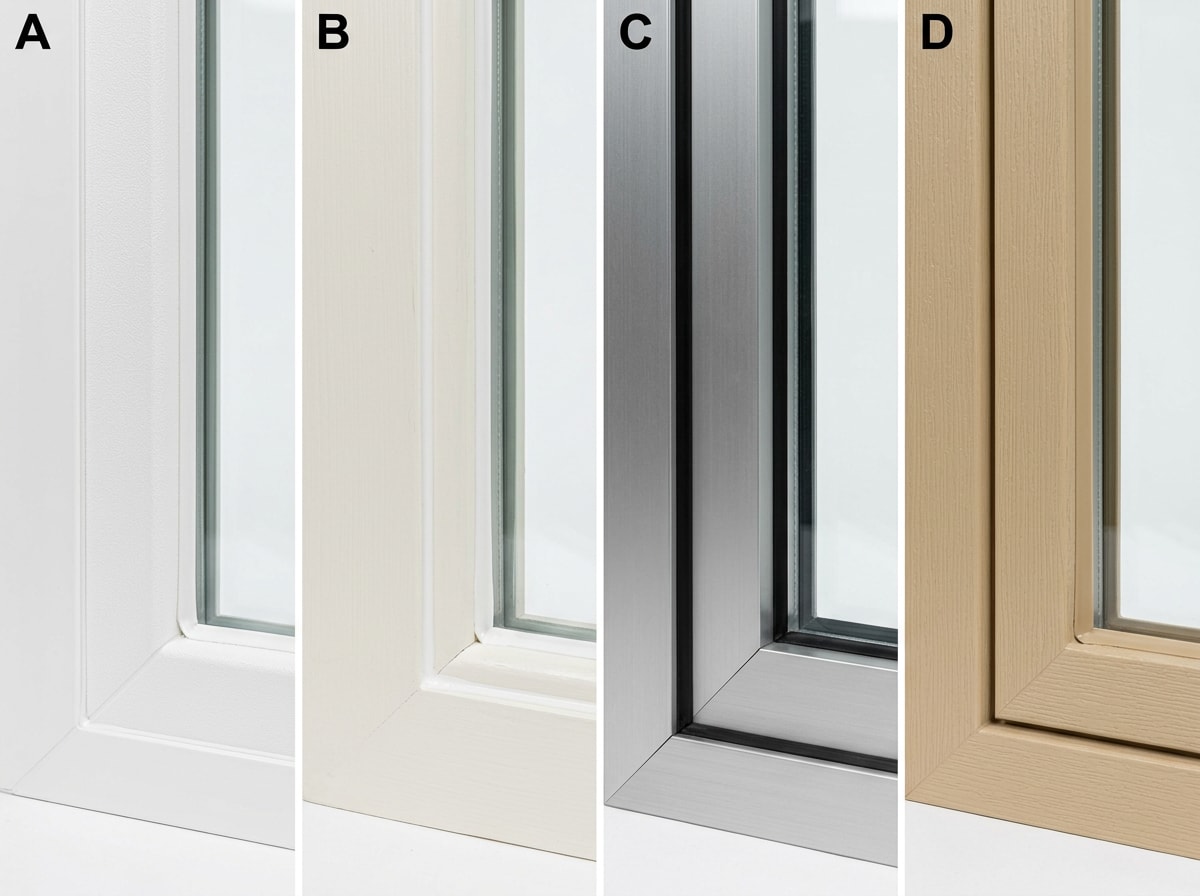
Resealing Windows by Frame Type
The resealing process changes depending on what your window frame is made of. Vinyl is the most forgiving, while older wood frames need extra prep to avoid trapping moisture against rot-prone wood.
| Frame Type | Best Sealant | Common Failure Point | GA-Climate Note |
|---|---|---|---|
| Vinyl | Silicone or polyurethane | UV-brittle caulk at joints | Handles humidity well; most common in newer Walton County builds |
| Wood | Paintable siliconized latex | Rot beneath failed caulk | Needs sanding/priming; inspect for moisture damage before sealing |
| Aluminum | Polyurethane (flexible) | Cracking from thermal expansion | Metal expands/contracts significantly in GA summer heat |
| Fiberglass | Silicone | Seal separation at corners | Generally stable; least climate-sensitive option |
If you're also weighing patio or enclosure window upgrades alongside a standard reseal, our Patio Windows Covington, GA guide covers styles and costs for enclosed outdoor spaces.
Can You Reseal Double-Pane Windows?
You can reseal the exterior frame of a double-pane window with caulk, but caulk cannot fix fog or moisture trapped between the panes of glass. That cloudiness means the insulated glass unit's internal seal has failed, which requires glass-unit replacement, not resealing.
If the problem is limited to the frame, cracked exterior caulk or a drafty sash, a standard reseal works fine on a double-pane window just like any other. The distinction matters because homeowners often assume any window problem is a caulking fix, and attempting to caulk fogged glass wastes time and money without solving anything.
What to Do If There Is Fog Between Panes
Fog between panes means the inert gas fill inside the unit, typically argon, has escaped along with the seal's integrity, which is a sealed-unit failure rather than something caulk can reach. Once that happens, the only real fixes are replacing the glass unit itself or the full window. No amount of exterior caulking will restore the insulating gap once air and moisture have gotten inside.
How to Stop Water Leaking Around a Window Frame
Water intrusion isn't always a caulk problem; sometimes it's a drainage problem that caulk will only make worse. Before resealing, check the flashing above the window, confirm weep holes at the bottom of the frame are clear, and look for gaps where siding meets the frame.
Caulking over an active leak source without first checking drainage paths can trap water inside the wall rather than keeping it out. If you find signs of water staining or soft wood around the frame, confirm the slope and flashing are directing water away from the house before applying any new sealant.
Where Not to Caulk Around Windows
Caulk should never cover weep holes, moving parts like sash tracks, visibly rotten wood, or dirty and wet surfaces. Doing so traps moisture and often causes bigger damage than the original problem. Interior-rated caulk also shouldn't be used outside, since it lacks the UV and weather resistance exterior joints need.
Weep holes exist specifically to let condensation drain out of the frame, so sealing them shut is a common and costly mistake. Likewise, caulking over a sash track prevents the window from opening and closing properly. When in doubt, leave the area uncaulked and address the underlying issue first.
Common Mistakes to Avoid When Resealing Windows
Beyond the specific "don't caulk here" spots above, a separate set of process mistakes undermine an otherwise correct job. The most frequent is caulking directly over old, failing caulk instead of removing it first; new sealant won't bond properly to an aged surface.
Using the wrong caulk type for the location, skipping cure time before painting or exposing the window to weather, and sealing a surface that's still dirty or damp all shorten the life of the repair. Over-applying caulk creates messy, hard-to-smooth beads, while under-applying leaves gaps that defeat the purpose entirely. Taking the extra few minutes to prep correctly saves a repeat job within the year.
Cost of Resealing Windows (2026 Guide)
| Service Level | Estimated Cost (Per Window) |
|---|---|
| DIY exterior caulking (materials only) | $10-$25 |
| DIY caulk + weatherstripping replacement | $25-$50 |
| Professional exterior resealing | $75-$150 |
| Professional IGU seal repair | $150-$350 |
| Full insulated glass unit replacement | $300-$700+ |
DIY resealing is the cheapest route when the fix is limited to caulk or weatherstripping, but costs climb fast once a failed glass unit is involved. Air-sealing upgrades pay off over time: households that go through the DOE's Weatherization Assistance Program, which includes caulking and weatherstripping among its core measures, save on average $372 or more every year according to a national evaluation . If your project is trending toward full glass or frame replacement, an outdoor structure consultation can help you weigh repair versus replacement across your whole exterior, not just the glass.
DIY vs. Hiring a Professional
Resealing exterior caulk or swapping weatherstripping is a reasonable weekend project for most homeowners with basic tools and patience. It typically requires no special licensing, just careful prep work and attention to cure times.
Call a professional once the problem involves multiple failed insulated glass units, structural wood rot around the frame, or water intrusion with an unclear source. Those issues often require diagnostic tools and repair techniques beyond a standard caulk-and-tape job. If you're unsure which category your windows fall into, reach out for a free estimate and we'll walk the property with you.
Seasonal Tips for Homeowners
The best window for caulking in Georgia sits in the 45-85°F range with low humidity, which usually means spring or fall in Walton County rather than peak summer. High summer humidity slows caulk cure time and can trap moisture under the bead before it fully sets.
Inspect windows before the harshest stretches of summer heat, since intense UV exposure on south- and west-facing frames accelerates caulk breakdown faster than any other factor in this climate. A quick fall check before any cold snaps also catches small gaps before they widen. For homeowners throughout East Metro Atlanta and the surrounding counties, timing the job around these windows makes the seal last noticeably longer.
As a full-service outdoor living contractor based at Georgia Screen Rooms, we also work on the windows, screens, and enclosures attached to patio covers and under-deck spaces throughout Bold Springs and the rest of Walton County. If a reseal job turns up rot, failed glass, or a structure that's ready for an upgrade, get a free estimate and we'll help you sort out what's worth repairing versus replacing.
FAQ
Here are quick answers to the questions homeowners ask most often about window resealing.
How Often Should Windows Be Resealed?
Most exterior caulk lasts 5 to 10 years before it needs replacing, though Georgia's heat and UV exposure can shorten that range. An annual visual inspection each spring or fall helps catch cracking before it leads to drafts or water damage.
What Type of Caulk Is Best for Windows?
Silicone and polyurethane generally perform best on exterior joints, while paintable siliconized latex works well for interior trim. Refer back to the sealant comparison table above for a full breakdown by use case.
Is Resealing Windows a DIY Job?
Yes, caulking and weatherstripping replacement are both manageable DIY projects for most homeowners with basic tools. The exception is a failed insulated glass unit, which requires glass replacement rather than a caulk fix.
Can I Reseal Windows in Winter?
Most caulks need temperatures above roughly 40-45°F to cure properly, which rules out the coldest days. Georgia's milder winters make this far less restrictive than colder states, though it's still best to pick a dry, moderate afternoon.
How Long Does It Take to Reseal a Window?
A single window typically takes 20 to 40 minutes for an average DIYer, including prep and cleanup, not counting cure time. A full house with multiple windows is realistically a weekend project when done carefully.
What's the Difference Between Caulking and Weatherstripping?
Caulk seals stationary joints, like where the frame meets the siding or trim. Weatherstripping seals parts that move, like a sash that opens and closes. Using caulk on a moving part will jam the window; using weatherstripping on a stationary joint won't hold up.
How Much Does It Cost to Reseal a Window?
DIY exterior caulking runs about $10 to $25 per window in materials. A professional exterior reseal typically costs $75 to $150 per window, while a failed glass unit repair or replacement runs $150 to $700 or more depending on the window.